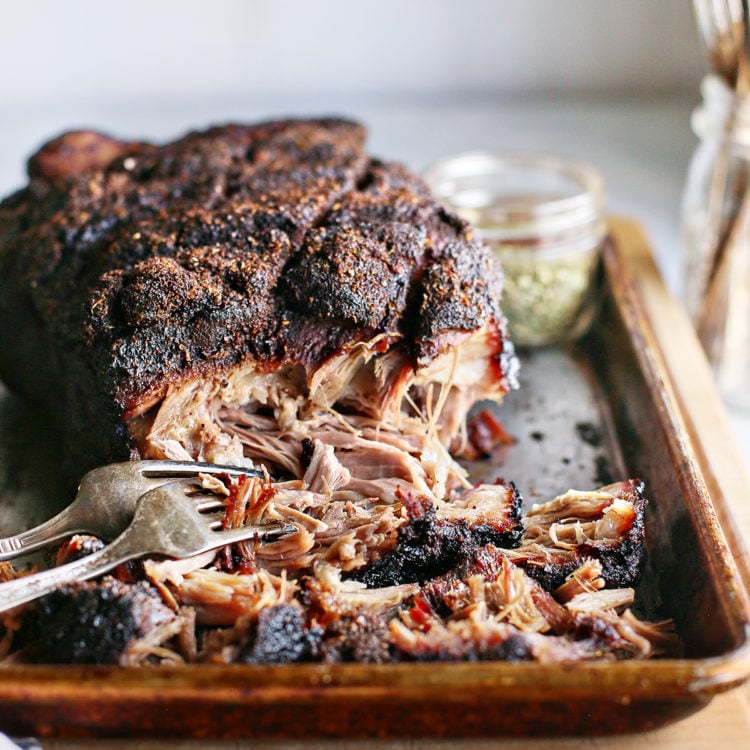
The Best Smoked Pork Shoulder
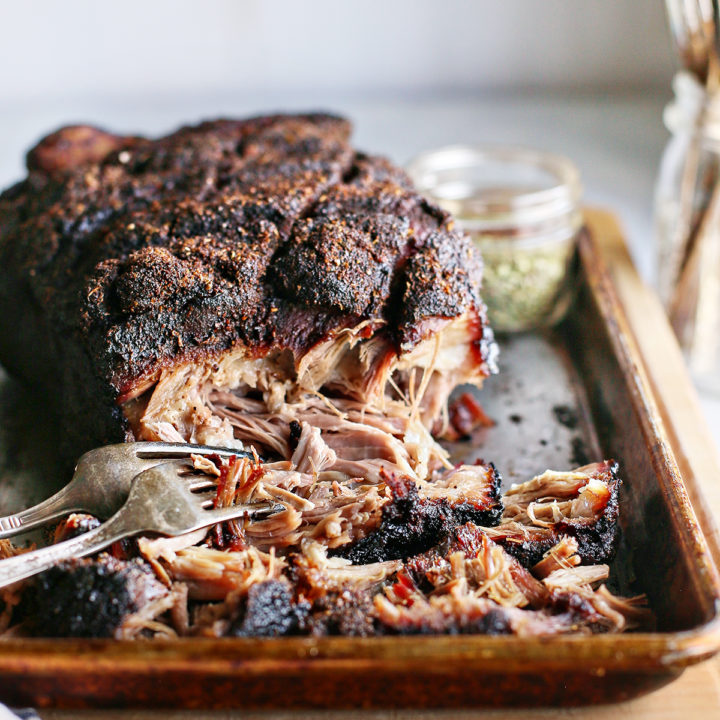
Tender, flavorful, and juicy, this Smoked Pork Shoulder makes the best pulled pork you’ll ever taste! This easy Traeger recipe walks you through every step, from brining and seasoning to smoking and shredding for melt-in-your-mouth pork. Enjoy it in pulled pork sandwiches, pork tacos, pork nachos, or on its own!
★★★★★
“I used this recipe along with your homemade Southwestern pork rub. It was the BEST pulled pork I’ve ever made! Best and most delicious bark, nice deep smoke ring, very tender and absolutely amazing taste!” —Brandon

This post may include affiliate links. As an Amazon Associate and member of other affiliate programs, I earn a small commission from qualifying purchases.
I’ve Been Smoking Pork Shoulders With This Recipe for Years!
Since sharing this recipe in 2019, it’s become a reader favorite and one of the most popular recipes on my blog. I’ve received dozens of emails from readers telling me how smoky, tender, and moist their pork shoulder turns out when smoked on a Traeger using my recipe instructions. Music to my ears!
If you’ve followed other smoked pork shoulder recipes in the past that left you disappointed at how tough, dry, or bland your meat was, this simple recipe will restore your faith in the Traeger! I’ve made this recipe countless times since I first developed it, and it never fails me.
Here’s why I think you should smoke a pork shoulder on a Traeger too:
✔ Perfectly Tender: Low and slow smoking makes the pork incredibly juicy.
✔ Flavor-Packed: Brining, dry rub, and smoke combine for amazing depth.
✔ Great for Gatherings: A pork shoulder comfortably feeds a crowd and makes great leftovers.
Enjoy!
-Katie

Special Equipment You’ll Need
- Probe Thermometer – Monitors temperature throughout the cook. We used this probe thermometer for years before upgrading to the Meater thermometer.
- Pellet Smoker or Grill – Using a pellet grill for pork shoulder is one of the easiest ways to achieve tender, smoky pulled pork at home. We love our Traeger for perfectly smoked pork.
- Wood Pellets – Different woods give different flavors. Apple wood is my top choice for pork because it imparts a slightly sweet flavor, but oak (a classic smoking wood) or hickory (savory and hearty) work well too.
The 3 Main Ingredients
Use this list to check your pantry before getting started! For the full ingredient list and instructions, check out the FREE printable recipe card at the bottom of this post.
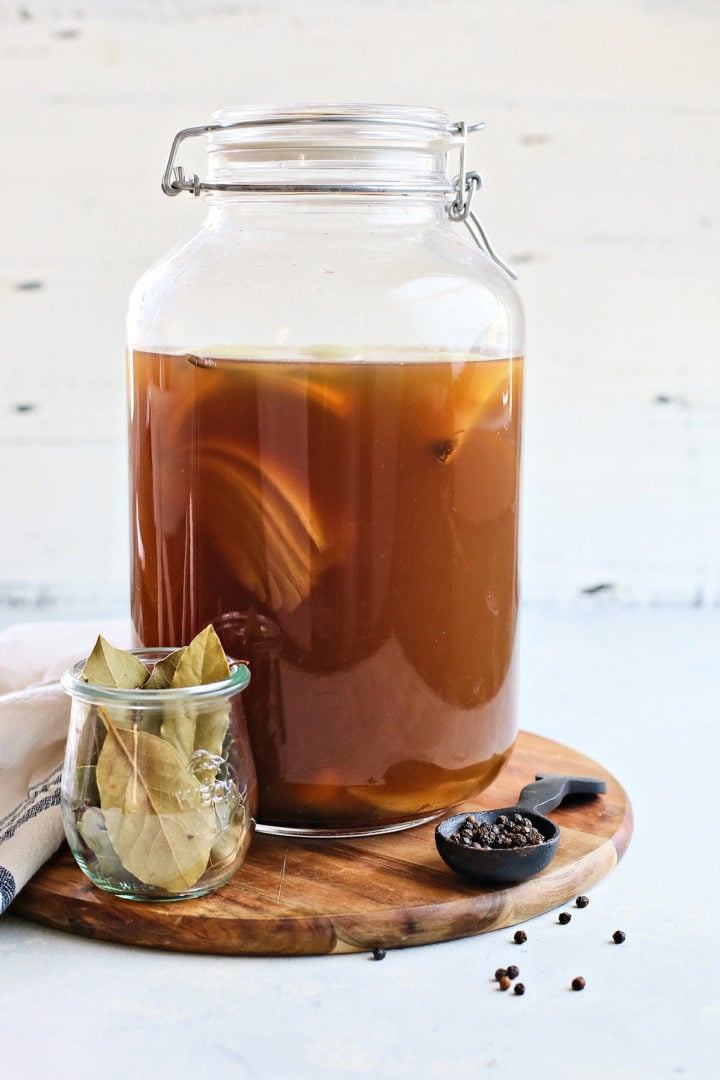
- Pork Brine – Brining keeps the meat moist and flavorful. I highly recommend this cider pork shoulder brine.
- Pork Shoulder – Bone-in or boneless may be used (also called pork butt or Boston butt).
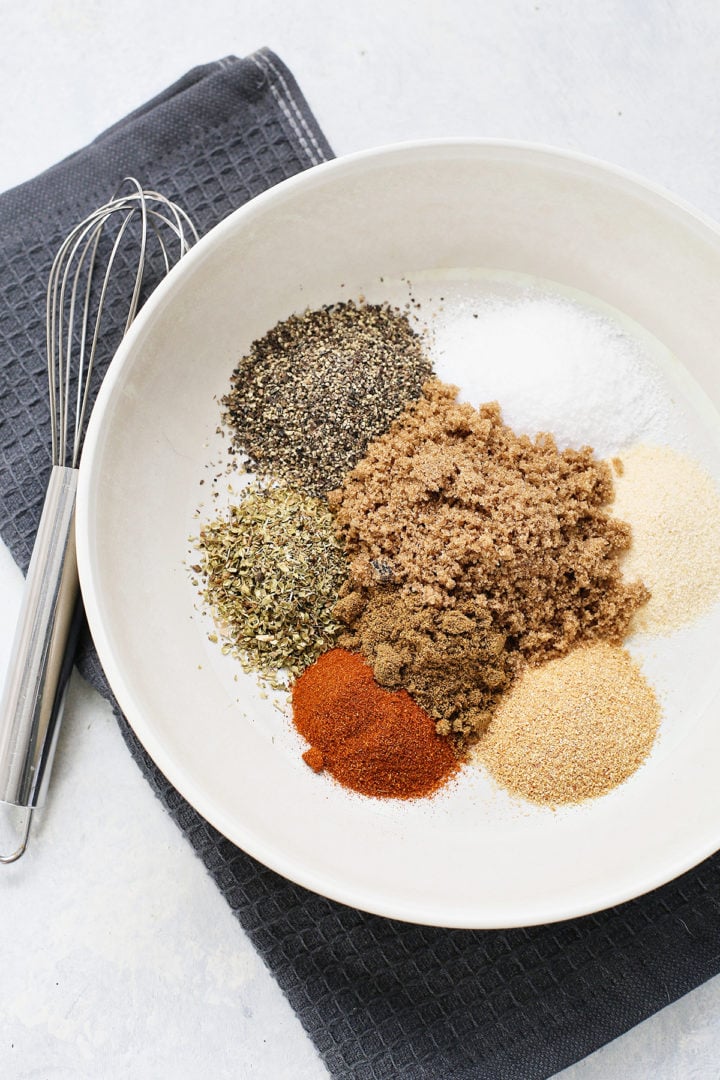
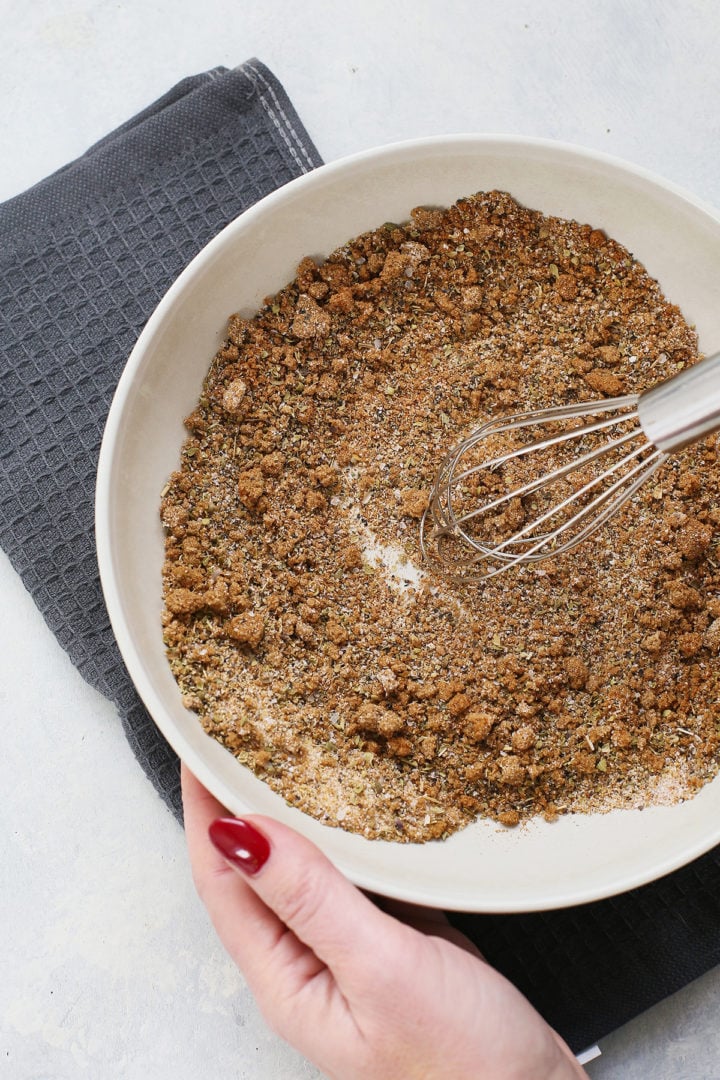
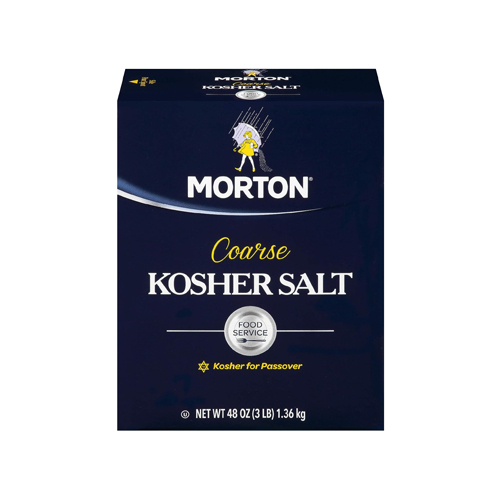
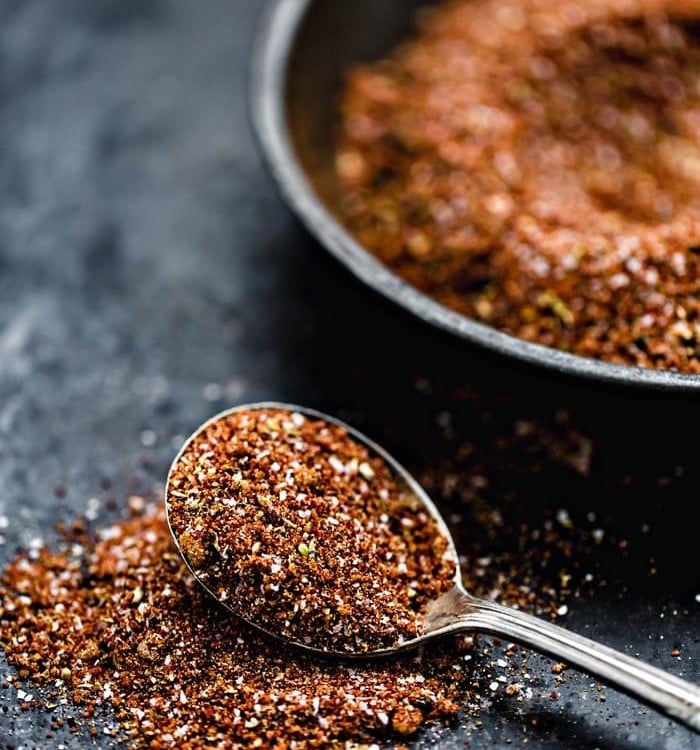
- Dry Rub – Use your favorite rub or try my southwestern pork rub, which is what I usually use.
How to Smoke a Pork Shoulder on a Traeger
Smoking a pork shoulder involves five key steps: trim, brine, score, rub, and smoke. Here’s a step-by-step overview:
- Preheat the smoker. Set your Traeger or pellet grill to the “Smoke” setting (~160°F).
- Insert a thermometer probe. Place it in the thickest part of the meat, avoiding fat and bones.
- Smoke low and slow. Cook at 160°F for 3-4 hours to build smoke flavor.
- Increase the heat. Raise the smoker temperature to 275°F and continue cooking until the internal temp reaches 210-215°F.
- Rest the meat. Let the pork rest for 30-60 minutes before shredding. This helps redistribute juices, making the meat more tender and flavorful.
Katie’s Tip: Don’t rely on time alone! Use a probe thermometer to cook by temperature for the best results.
Smoke Times and Temps to Keep in Mind
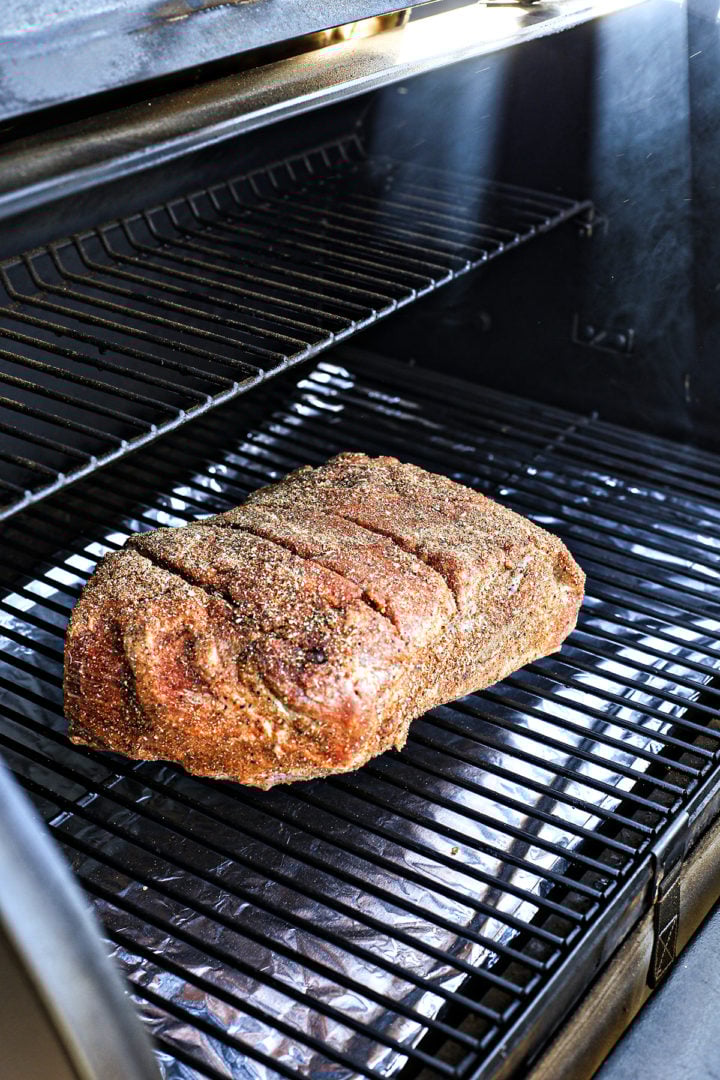
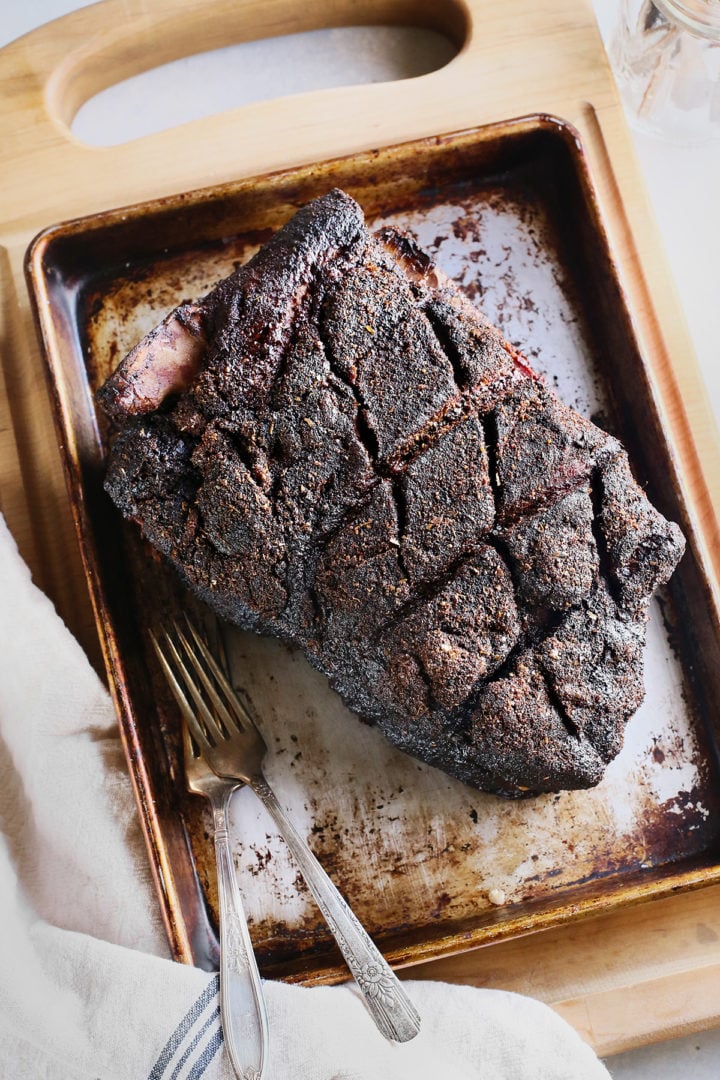
You’ll want to smoke the pork shoulder at 160ºF for 3 to 4 hours to build the smoke flavor, then increase the temperature to 275ºF and keep cooking it until the internal temperature reaches 210-215°F.
Keep in mind that the exact pork shoulder smoking times will vary depending on a variety of factors, such as:
- The size of the meat – a larger cut of meat will naturally take longer to cook.
- Internal temperature of the meat when you begin – I like to set it at room temperature before starting so the meat isn’t refrigerator cold.
- Outdoor weather conditions – cold or windy days may cause your Traeger to run cooler.
Katie’s Tip: A probe thermometer is essential for smoking pork shoulder! It ensures that your meat reaches the perfect temperature without overcooking. We love using the Meater thermometer for wireless monitoring.
Helpful Cooking Tips
- Trim the excess fat — You always want to remove thick fat layers so smoke can penetrate the meat, but leave a thin fat cap (no more than ½ inch) to keep the pork juicy.
- Always brine your pork before smoking —This creates the most flavorful and juiciest pork.
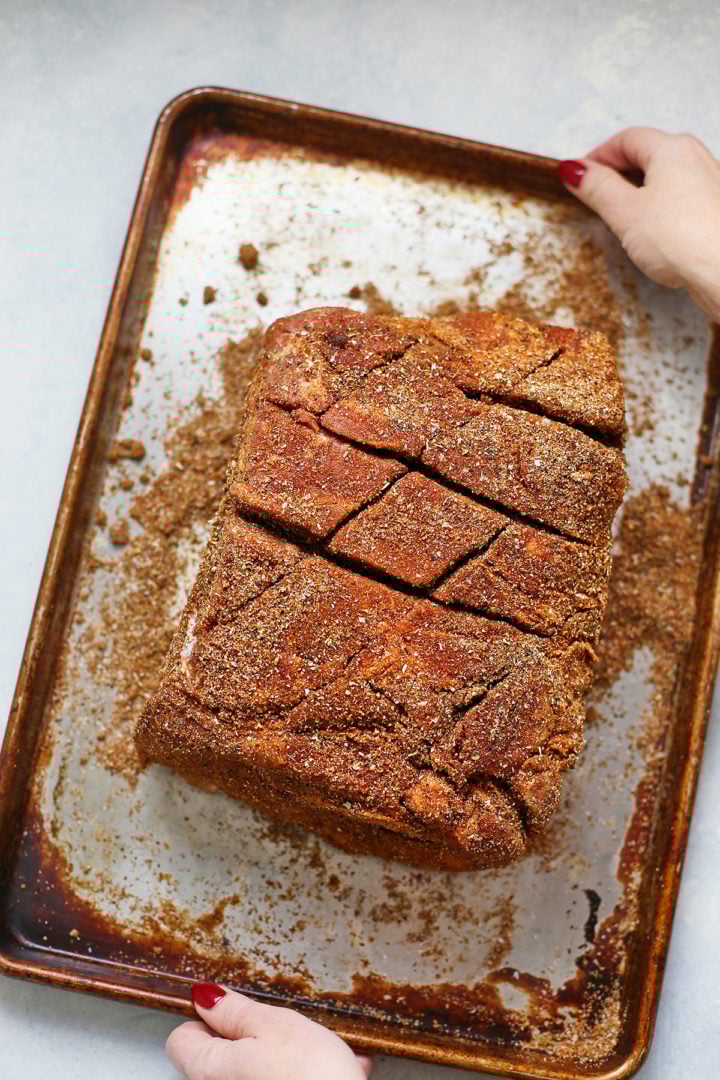
- Score the pork — Cut a tic-tac-toe pattern (3-4 lines in both directions) on the surface. This helps seasoning penetrate deeper into the pork because you’re exposing even more surface area which allows more meat to be covered with the rub, and more space for the smoke to pass through.
- Apply a dry rub — A flavorful rub creates a delicious crust (bark). Let it sit for at least 2 hours, but overnight is even better! Allowing the rub to sit overnight helps the flavors soak into the meat rather than just sitting on the surface, leading to deeper seasoning and a richer taste throughout the pork.
- Keep your Traeger clean — A dirty pellet grill won’t function properly. It can shut down unexpectedly, struggle to maintain proper temperature, have trouble producing smoke, or even catch fire.
- Don’t open the lid very often — Every time you lift the lid, you lose heat and smoke! Check only when necessary to maintain steady cooking.
- Avoid overcorrecting temperature — Don’t panic if the temp stalls! The meat will push through it. Making drastic temperature changes can lead to uneven cooking and dry meat. Instead, adjust the smoker in small 25°F increments to give the meat time to respond without overcompensating. This ensures a steady cooking process and prevents temperature swings that could affect tenderness.
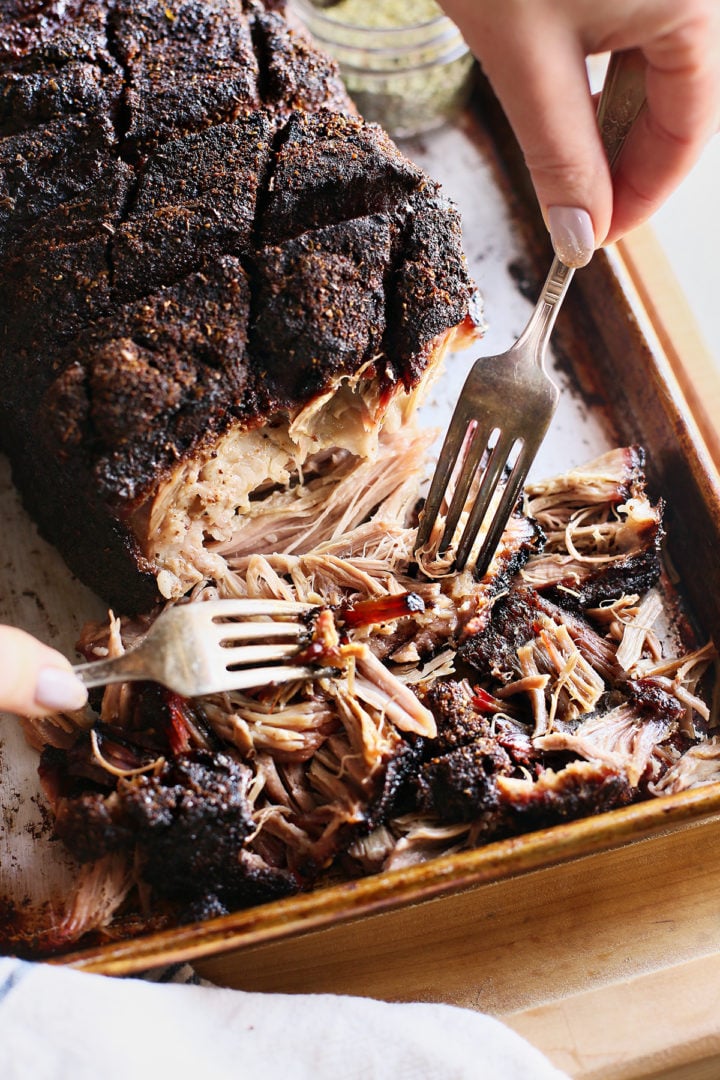
- Remove large fat deposits when shredding the pork — No one likes biting into a chunk of fat! Trim excess fat while shredding. We like using these pulled pork shredder claws for the pulling process; it makes shredding the pork quick and effortless.
Frequently Asked Questions
Got questions about how to make this recipe? Here are the answers to a few commonly asked questions. Feel free to leave any other questions in the comments on this post and I’ll respond with answers.
Should you brine pork shoulder before smoking?
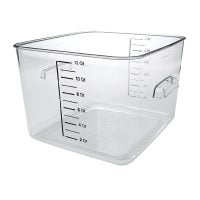
Yes! Brining locks in moisture and prevents dry meat. For easy brining, I like using these Rubbermaid Storage Containers for anything 10 lbs or less — they’re the perfect size for a pork shoulder!
What’s the best way to smoke a pork shoulder?
Low and slow is key. Start at 160°F for 3-4 hours, then raise the temp to 275°F until done.
How long does pork shoulder take to smoke?
It depends on size! A 10-pound pork shoulder takes 12-14 hours.
How Can I Speed Up the Smoking Process?
If you’re short on time, consider these options to smoke your pork shoulder faster:
- To speed up cooking, cut the pork shoulder into two smaller pieces. This increases surface area, allowing heat and smoke to reach the meat more evenly, reducing overall cook time.”
- Start at a slightly higher temperature. Instead of smoking at 160°F for 3-4 hours, begin at 225°F and monitor carefully.
- Cook it a day ahead. Smoke the pork in advance, refrigerate overnight, and reheat before serving for stress-free meal prep.
What temperature is pork shoulder done?
205-215°F for perfectly tender, easy-to-shred pork.

Side Dish Suggestions
Wondering what to serve with this Traeger pork shoulder? Whether you’re hosting a backyard BBQ or meal prepping for the week, these side dishes will complement your smoked pork shoulder perfectly.
More Easy Traeger Dinner Recipes
Looking for more ways to use your Traeger? Browse my full Traeger Recipes Archive for smoked meats, BBQ classics, and grilling tips!

Stay Inspired in the Kitchen!
Want more delicious recipes, kitchen tips, and meal inspiration? Sign up for the Good Life Eats Newsletter and get:
✔ Tried-and-true recipes—from quick weeknight meals to special occasion favorites.
✔ Seasonal meal ideas—helping you make the most of fresh, in-season ingredients.
✔ Time-saving kitchen tips—boosting your confidence and creativity in the kitchen.
Smoked Pork Shoulder Recipe
This Traeger pork shoulder recipe is foolproof! With a brine, dry rub, and slow smoking, you'll get the most flavorful pulled pork every time.
Ingredients
For the Smoked Pork Shoulder
- 8 1/2 pound Pork Shoulder
- Pork Shoulder Brine
- 1/4 - 1/2 cup Pork Rub
Instructions
To Prep the Pork Shoulder for Smoking
- Brine the pork shoulder for 12 - 24 hours.
- After brining, remove the pork from the brine. Discard the brine and rinse the pork all over with cool water. Pat dry and place on a large baking sheet.
- Rub the pork rub all over the meat on all sides, using more if needed to evenly cover the meat, or if you prefer more.
- Place the pork on the baking sheet in the refrigerator and let chill for at least 2 hours or up to 24 hours (I prefer 24 hours).
To Smoke the Pork Shoulder
- Prepare your smoker to a low heat setting. On our Traeger, we use the "smoke" setting (around 150-160ºF) and we either use oak, hickory, apple, or a blend of pellets for our wood.
- Transfer the pork to the smoker. Insert the probe of a digital meat thermometer that is safe for BBQing into the thickest part of the meat (make sure to avoid large fat deposits and the bone as they will cook hotter than surrounding meat and give false high readings on the thermometer).
- Smoke on 150-160ºF for 3 - 4 hours.
- After 3 - 4 hours, Increase the temperature to 275ºF and continue to cook until the the meat thermometer registers 210 - 215ºF (approximately 6 - 9 hours).
- When the pork has reached 210 - 215ºF, remove from the smoker and transfer to a clean baking sheet. Power down the smoker according to manufacturer instructions. Allow the pork to cool for 30 - 60 minutes, or until cool enough to handle.
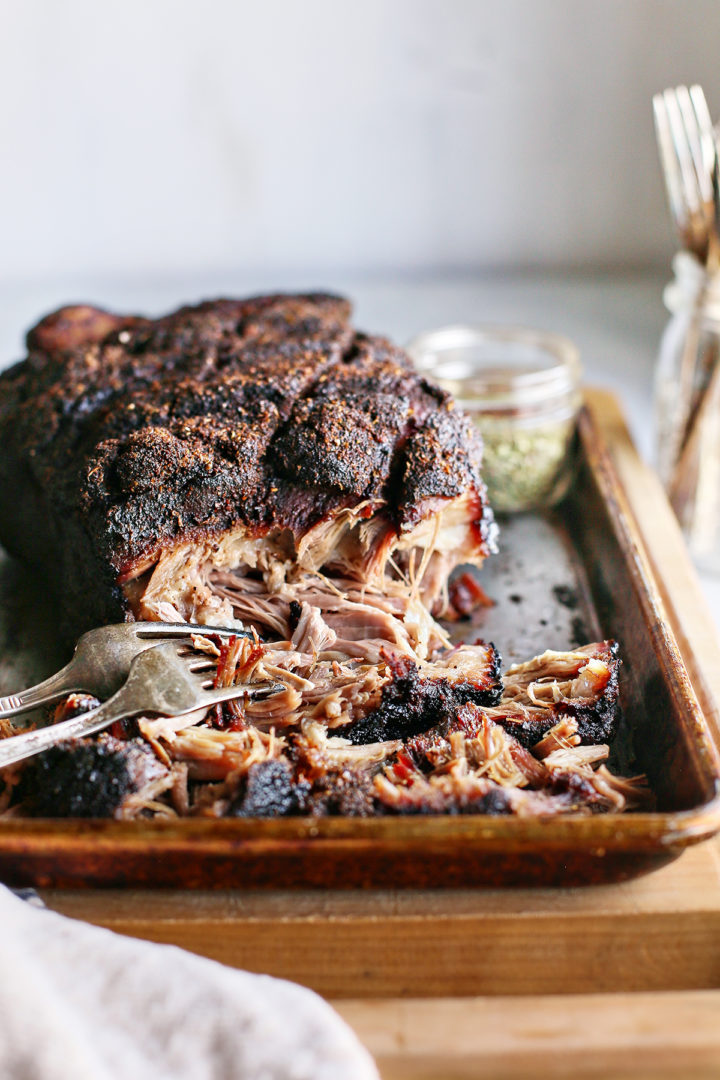
- Shred with two large forks or a pair of shredder claws.
Notes
I recommend putting the pork shoulder on around 5:00 am if you plan to cook it and eat it the same day.
To decrease cook time, you can bring the pork out of the fridge and allow it to sit at room temp for approximately an hour.
The final cooking time also depends on the size of your pork shoulder; expect it to take anywhere from 10 - 14 hours. If your pork shoulder is unusually large or unusually small, that will result in a cook time that is different from these guidelines.
If you aren't able to start your butt early enough to get it done in time for your meal, you may consider cutting it into 2 smaller pieces or cooking it the day before and reheating it when you plan to serve it.
To store leftovers: Store pulled pork in an airtight container in the fridge for up to 4 days, or freeze for up to 3 months. Simply reheat with a splash of broth to keep it juicy!
Recommended Products
As an Amazon Associate and member of other affiliate programs, I earn from qualifying purchases.

Nutrition Information:
Yield: 12 Serving Size: 1Amount Per Serving: Calories: 704Total Fat: 52gSaturated Fat: 19gTrans Fat: 0gUnsaturated Fat: 28gCholesterol: 217mgSodium: 164mgCarbohydrates: 0gFiber: 0gSugar: 0gProtein: 56g
GoodLifeEats.com offers recipe nutritional information as a courtesy and is an estimate only. This information comes from online calculators. Although GoodLifeEats.com makes every effort to provide accurate information, these figures are only estimates.







Gerald Williams says
Traeger makes pork shoulder easy to cook low and slow. I put an 8 pound butt roast directly on a 225 deg grill @11 pm, and went bed. At 6 a.m. the internal temp was 155 deg. I took it off to seal it in about 4 layers of foil along with 1 1/2 cups cider mixture and increased the grill temp to 275 deg. About 4 hours later, I took it off the Traeger when the int. temp reached 205 deg. To rest the shoulder I left it in the foil, put it in a big plastic bag, then an insulated bag, wrapped it in towels and finally put it in a cooler. Then I drove across the state line to serve after a two hour rest. It was still hot and perfectly cooked.
Katie says
We have done the overnight smoke as well – with a pork shoulder and with a brisket – and both turn out great. Though once during the day we had a strange flare up with some flame so ever since then I don’t really recommend smoking while asleep because you just never know if something could happen that would cause a danger/fire.
Todd says
You litteraly left out the most important word from this paragraph for how to remove the residual salt. You left me hanging 🙂 The best way to remove residual salt from the meat is to your meat after brining. This removes excess salt from the outside of the meat since you’ll then be adding a dry rub, which also contains salt, to the exterior.
Katie says
Sorry about that. Should say RINSE. Editing it now, thanks for pointing that out.
Stephen says
Pork shoulder came out of the shrink wrap smelling foul. Followed through on the recipe and smoked it on the Traeger. It still smelled foul and it was dry. Could not pull it apart. My dog enjoyed the skin and will get the rest over the course of the week. Just no way I can eat something that smells like that. Will never buy a pork shoulder again and waste my time trying to smoke it.
Katie says
My guess is your meat was spoiled. Raw meat will not smell foul when it is fresh. Unfortunately, there is no recipe or cooking technique that will improve the smell or taste of spoiled meat. You might like this article on pork food safety from the USDA.
Brandon says
I used this recipe along with your Homemade Southwestern Pork Rub. It was the BEST pulled pork I’ve ever made! Best and most delicious bark, nice deep smoke ring, very tender and absolutely amazing taste! Will be making this for a bunch of the family when they visit next month. Hopefully I have the same success the second time.
Katie says
Hi Brandon, thanks for sharing! I’m so glad it was a hit!